

As summer moves along and the best films wait for fall, I give you two reviews that may seem incongruous at first, yet both tell us something about our world today in different ways. We can learn a great deal from each.
Vermiglio (2024)
This wonderful film from Italian director Maura Delpero takes place in rural, mountainous northern Italy as WWII is winding down, and runs us through an emotional ringer for its duration. Taken from her own family history (although the film is fictional), Delpero tells the story of a deserter from the Italian army who lands in a small town. Brought there by a friend and fellow soldier who lives there, the young man takes residence in the barn of the local teacher and patriarch. He falls in love with one of the teacher’s daughters Lucia, and they eventually marry. The resulting chain of events then leads to a web of lies, deception, and unspooled passion and anger that eventually overtakes not just the family, but the town as well. Ultimately, this beautiful film serves as a representation of that era but also as a metaphor for our current world.
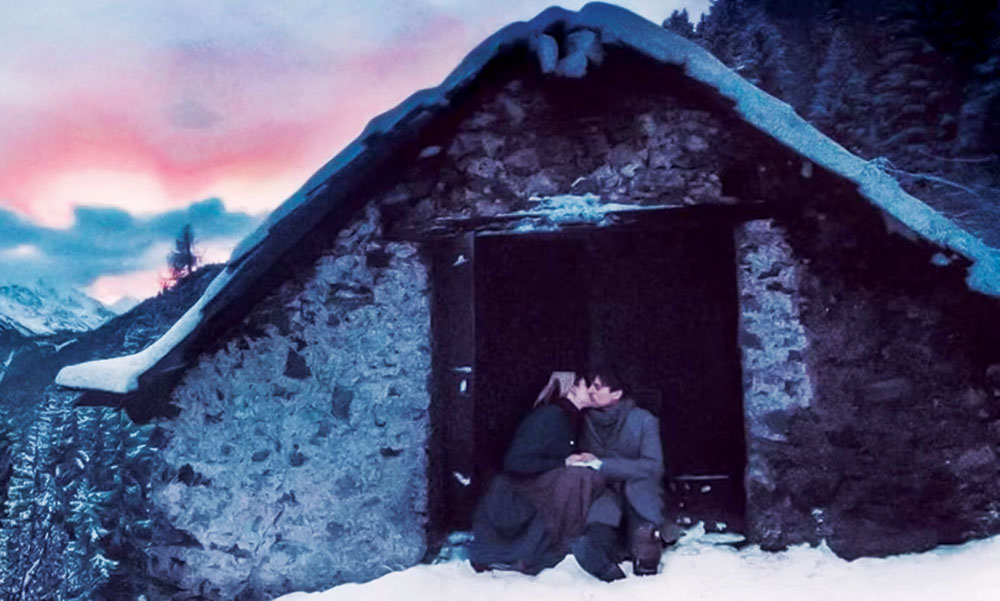
Vermiglio
The lush cinematography of the surrounding Dolomites and attendant valleys and streams therein provides a poetic and even ancient backdrop to the story. Cinematographer Mikhail Krichman makes expert use of every blade of grass, drop of water, and snow-covered field. We feel the surroundings through that cinematography, and in turn, that cinematography allows us to empathize with the characters. Those characters are wonderfully drawn and cement the verisimilitude of the film. Delpero’s skill in directing actors is particularly evident, especially with age ranges from 7–70. This is a touching and important film.
Available for rent on all streaming apps.
Andor (Disney+)
Simply put, this is the best TV show I have ever seen. Every aspect of the filmmaking (and I call it filmmaking because it is ostensibly just that) is exquisite: the writing, the acting, the cinematography, the settings, the editing, and the sound. You don’t need to be a Star Wars fan to enjoy the show, and in fact, such fandom may work against you. Just let this sink in: we never see a lightsaber in the two seasons of the show.
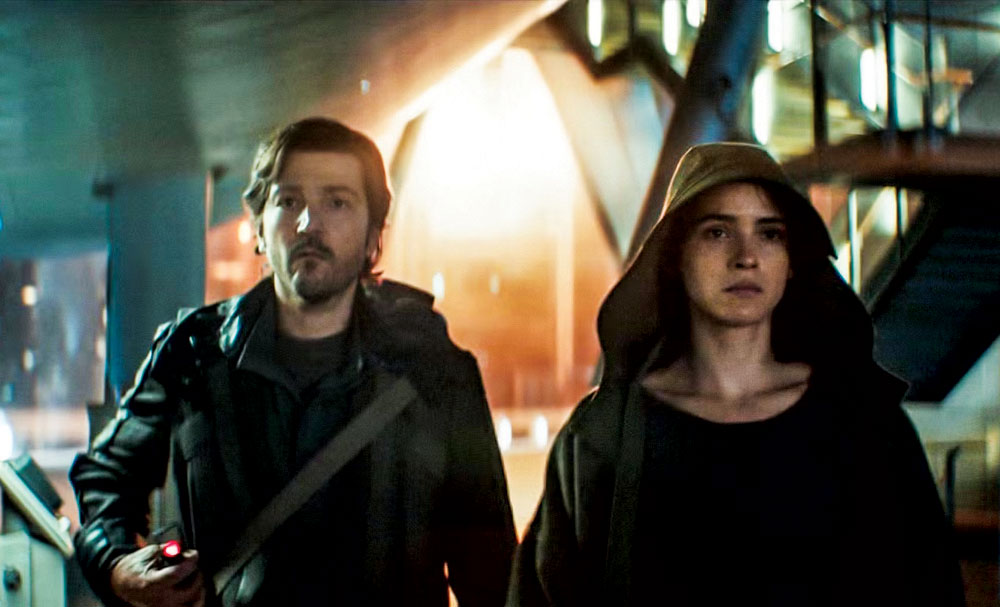
Andor
Conceived as a prequel to Rouge One (2016), showrunner Tony Gilroy urged his team to think outside of the “normal Star Wars” stories so that anyone could watch the show and enjoy it. Star Wars fans would get what they wanted, he said, but others could watch it with them. Critics adored season one when it came out in 2022, calling it “complex,” “mature,” and “a breath of fresh air.”
It all starts with the writing, which is the best I’ve ever seen on a TV show, and rivals the writing of great films. Every character is superbly drawn and even secondary characters shine. That writing brings out excellent acting, and the ensemble cast is phenomenal. The technical aspects are flawless, with dense cinematography and editing. It is cinematic art at its best, and the subtext abounds.
Season two surpasses the high bar of season one and continues to flesh out how resistance can snowball and how hope for change is contagious. It shows an imperialist entity crushing virtually helpless populations for economic gain, for raw materials, and simply because that entity wishes to stamp out opposition. Media plays a role in assisting the imperialists, especially in how they frame conflict and aggression through misinformation. As one resistance character says: “Truth must not be lost. The death of truth is the ultimate victory of evil.” Now let that sink in.
Welcome to the resistance.
Vincent Piturro, PhD., is a Professor of Film and Media Studies at MSU Denver. Contact him directly at vpiturro@msudenver.com or follow him on X. For more reviews, search The Indie Prof at FrontPorchNE.com.
0 Comments