



Our next screening at The Cube Cinema Series will be the classic Casablanca on Friday, July 10. Doors open at 6:30pm, and the film starts at 7pm. We will be collecting food for the MSU Denver food pantry, so please bring non-perishable donations if you can. You will receive a token for free popcorn and a drink with a donation. More information and tickets here: mca80238.com/mca-calendar
Casablanca (1942)
In 1942, the Hollywood “Dream Factory” was turning out hundreds of films per year, and Casablanca was just another one of those films. It tells the story of several characters involved in political intrigue and romance during World War II. Morocco was one of the key stops for refugees fleeing Nazi-occupied Europe. While it is a fictional film, it is based on actual events in Europe and Africa during the late 30s and early 40s. That the brutal reality of the era could play out on a Hollywood sound stage is remarkable in its own right, and it is certainly not something we would see today.
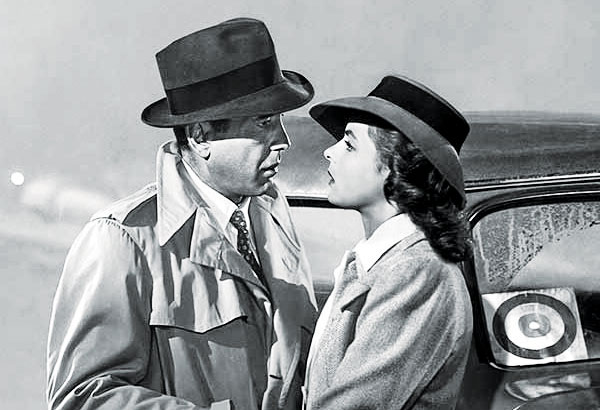
Casablanca
The film has remained iconic because of its classic plot, the energetic screenplay, the brilliant performances of the entire cast, and the thematic depth. That depth is the most interesting part for me; when the film was under production in 1941, the United States had not yet entered the war, and most Americans had no idea about the Nazi concentration camps. The film was a brilliant allegory for pre-war America: Rick (Humphrey Bogart), the American owner of the cafe in the film, remains neutral. It is only when he learns of the atrocities in Europe that he develops a conscience and intervenes. It is a wonderful, powerful, and timely story.
Join us at The Cube in Northfield to learn more about the film.
Considering the slow new movie season, I have a review of another film from the Best International Feature category at this year’s Oscars.
It Was Just an Accident (2025)
This fascinating film from Iranian director Jafar Panahi is interesting on many levels: the compelling and quirky story, the events taken from real-life Iran (including the director’s own experiences), and how the film was made. The story is set in Iran, and the plot activates when a man sees someone who he believes was his former torturer while in prison for political dissent. He follows the man, kidnaps him, and then enlists the help of fellow tortured prisoners.
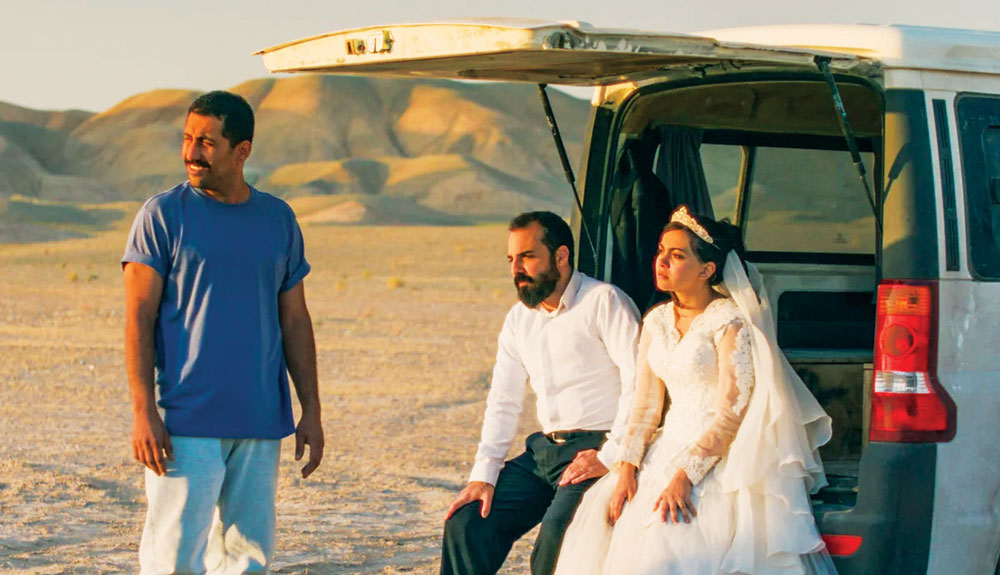
It Was Just an Accident
The descriptions of Panahi’s films always sound darker and more harrowing than they actually are, and this one follows suit. He is adept at blending humor, sarcasm, and a sardonic wit along with the political undertow. The dialogue is always expertly executed, and this particular film also becomes a farce at times. But don’t let the light touches fool you—the themes are always serious and include searing commentaries. For example, this film speaks to the current oppressive Iranian regime and how it treats political opponents and cracks down on free speech. It is not just allegory for Iran but a cautionary
tale for the current world.
Panahi himself has spent time in jail for the horrible crime of making movies that displeased the Iranian government. This film was shot in secret—some out in the open, unbeknownst to the regime—and Panahi had to flee the country upon finishing it. Even the actors were harassed by the government after it premiered at the Cannes Film Festival. Real life turned into story and then back into real life. It is completely enjoyable, eye-opening, and poignant.
Available on Hulu and for rent.
Vincent Piturro, PhD, is a professor of film and media studies at MSU Denver. Email him directly at vpiturro@msudenver.edu. For more reviews, search The Indie Prof at FrontPorchNE.com.

0 Comments