


First, I would like to extend a heartfelt thank you to everyone who attended the May Cube Cinema Series screening of Late Shift/Heldin. It was a fantastic event and purposeful discussion.

The crowd at the screening of Late Shift/Heldin in May. Courtesy of Heather Ehrenstrasser
We hope to see you in June for another great event: the screening of the Academy Award winning documentary Summer of Soul on Friday, June 12. Doors open at 6:30pm, and the film starts at 7pm. Find more information and tickets at mca80238.com.
I reviewed the film in the January 2022 column, and here is a snippet.
Summer of Soul (2021)
This is a visual and aural feast: a magnificent, ebullient, and informative film that achieves the rare feat of entertaining while giving us lessons in history, culture, race, and politics. The focus of the film is on a lost episode in recent history; we get to see original footage of the 1969 Harlem Cultural Festival, footage that had been abandoned for 50 years. We’ve heard plenty about Woodstock, the music festival that took place that same summer just 100 miles away, but we haven’t heard as much about this festival. Director Questlove expertly gathered the lost footage, bringing it back to life and giving us a glimpse into a forgotten, unseen slice of history.
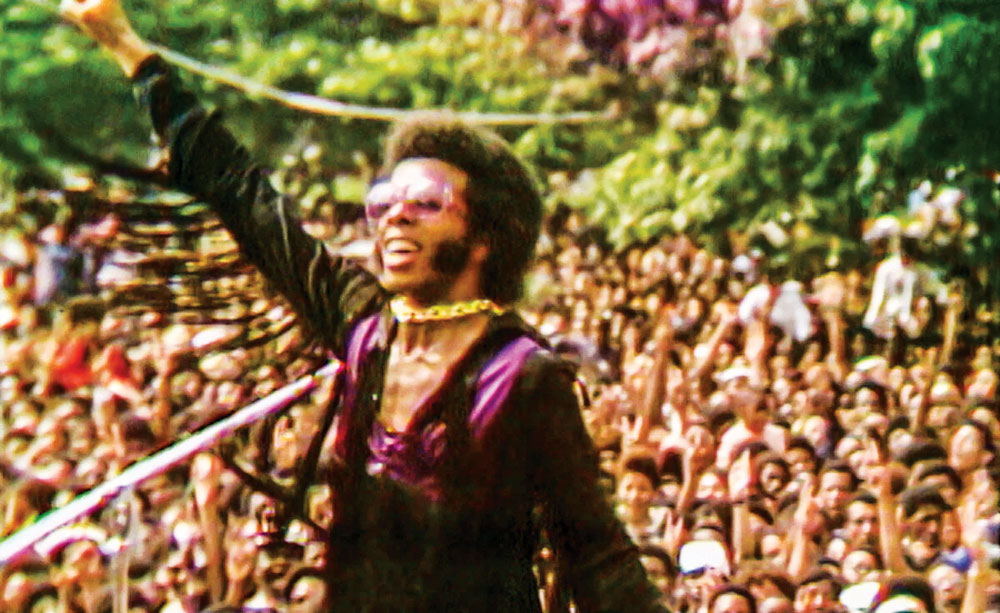
Summer of Soul
The Secret Agent (2025).
This Brazilian film from director Kleber Mendonça Filho was nominated for Best International Feature at this year’s Oscars. Starring the brilliant Wagner Moura (Narcos) as a teacher running from a troubled past in 1977 Recife, the film is a satire about life under authoritarian rule. The allegory at work is strikingly apparent—it is not only about modern-day Brazil, but it speaks to countries around the world today.
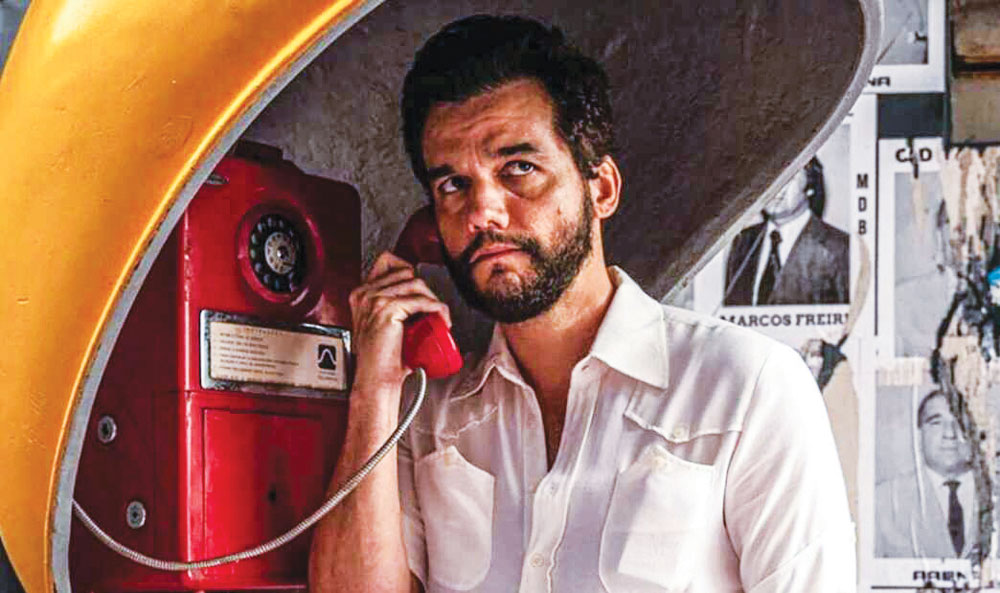
The Secret Agent
The first sequence of the film sets the stakes and serves as synecdoche (a representative piece of the whole) for the remainder of the film. We meet the main character Armando (Moura) as he is driving to Recife during Carnival. He stops at a rural gas station and is hounded by police for a bribe. While there, he notices a dead body in the field next to the station. The body is flimsily covered with cardboard and assaulted by flies, abandoned in plain sight. The station attendant tells Armando that it has been there a few days and the authorities were notified. Yet there it lies. The police are oblivious. The value of human life is made clear in this first striking sequence.
Armando is reunited with his son in a dissident enclave and assumes a new identity (Marcelo) and purpose. The underground network has nebulous goals and motives, but it is clear that everyone is out for themselves and all spying on each other; fear and confusion are the most prominent attributes. One subplot includes a human leg (found floating in a river) that comes to life and attacks gay men in a public park; the newspapers create a frenzy around the ridiculous story, and it dominates the news. The media, working as a tool of the society, sensationalizes wild absurdities, distracting from the reality of the corrupt government permeating the society.
The film works best in these satirical moments, where we understand its true purpose. In the end, the plot of Armando and his murder come to head in a present-day sequence where a researcher revives the story and interviews Armando’s son, now a doctor. Armando, murdered and framed as a corrupt dissident, becomes a metaphor for the stained Brazilian history it explores.
Vincent Piturro, PhD, is a professor of film and media studies at MSU Denver. Email him directly at vpiturro@msudenver.edu. For more reviews, search The Indie Prof at FrontPorchNE.com.

0 Comments